
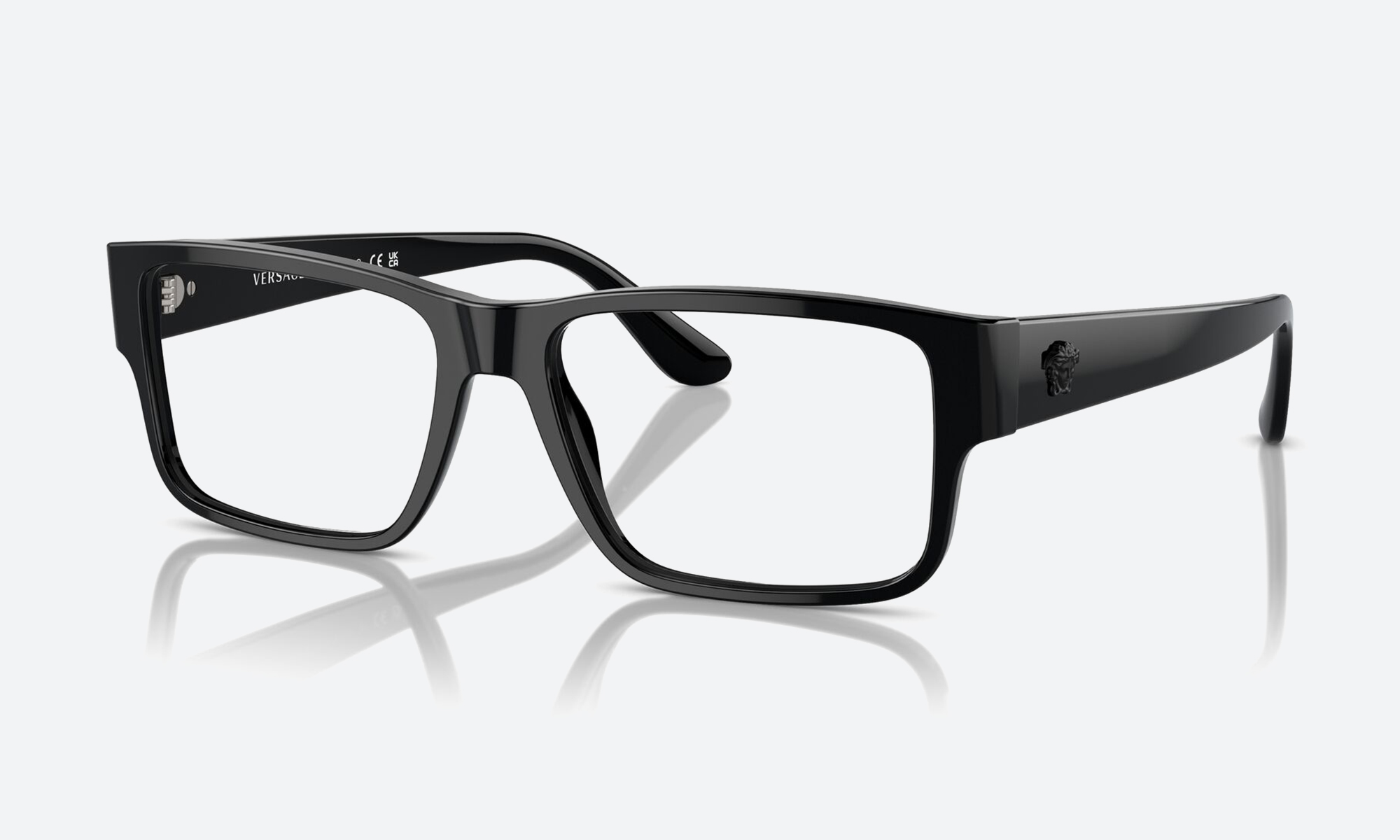
Signs Child Needs Glasses: 7 Things Parents Should Watch For
Signs child needs glasses are not always obvious, since children rarely realise their vision is different from what it should be. At Lawrence and Mayo, this guide covers the behaviours and complaints worth paying attention to at home and at school.
Why These Signs Are Easy to Miss?
Signs child needs glasses often get mistaken for personality quirks, distraction, or simple clumsiness, since a child has nothing to compare their own vision against. According to the American Academy of Ophthalmology, it is essential to check children’s vision through infancy, preschool, and school years precisely because so many issues go unreported by the child themselves. Parents and teachers are often the ones who first notice something is off.
Sign One: Sitting Too Close to Screens or Books?
A child who consistently sits very close to a television, tablet, or book may be compensating for blurry distance or near vision. This is one of the more commonly noticed signs child needs glasses, since it happens in plain view at home and is easy for a parent to spot early.
Sign Two: Frequent Squinting?
Squinting temporarily sharpens blurry vision by changing the shape of the eye’s opening, which is exactly why children with uncorrected vision issues do it instinctively and often without realising they are doing it at all.
| Sign | What It May Indicate | Where It’s Noticed |
|---|---|---|
| Sitting close to screens | Possible nearsightedness | At home, during screen time |
| Frequent squinting | Blurry distance or near vision | Anywhere, especially outdoors or in bright light |
| Head tilting | Possible astigmatism or alignment issue | At home or during focused tasks |
| Rubbing eyes often | Eye strain or fatigue | After reading, screens, or schoolwork |
| Complaints of headaches | Uncorrected refractive error | After school or extended near work |
| Losing place while reading | Focusing or tracking difficulty | During reading tasks specifically |
| Avoiding reading or close work | Discomfort from uncorrected vision | Homework, reading time |
Sign Three: Head Tilting or Covering One Eye?
A child who tilts their head consistently or covers one eye while looking at something may be compensating for astigmatism or an alignment issue. This sign is easy to dismiss as a habit rather than recognised as a possible vision concern, particularly if it happens only occasionally at first.
Sign Four: Rubbing Eyes Frequently?
Frequent eye rubbing, particularly after reading, screen time, or schoolwork, can indicate eye strain from uncorrected vision. Occasional rubbing is normal, but a consistent pattern is worth mentioning at a kids eye test rather than dismissing as tiredness alone.
Sign Five: Complaints of Headaches?
Headaches that consistently follow reading, screen time, or a full day at school can point to uncorrected refractive error, since the eyes work harder than they should to focus. This is one of the signs child needs glasses that parents most often attribute to unrelated causes, such as tiredness or dehydration.
Sign Six: Losing Their Place While Reading?
Difficulty tracking lines of text, frequently losing their place, or using a finger to follow along well past the age when this is typical can indicate a vision or focusing issue rather than simply a reading skill gap that will resolve with practice alone.
Sign Seven: Avoiding Reading or Close Work?
A child who consistently avoids reading, homework, or other close-up tasks may be avoiding the discomfort that comes with uncorrected vision, rather than genuinely disliking the activity itself. This avoidance is often mistaken for a motivation problem instead.
Explore eye care services at Lawrence and Mayo for a full kids eye test if any of these signs sound familiar.
What to Do If You Notice These Signs?
Book a full kids eye test rather than waiting to see if the behaviour resolves on its own, since these signs rarely improve without correction. A proper eye test identifies the specific issue and confirms whether glasses are genuinely needed, rather than leaving a parent to guess.
Why Early Action Matters?
Addressing signs child needs glasses early prevents a child from adapting around a vision problem in ways that can affect learning and confidence over time. Browse services to book a test as soon as any of these signs become noticeable, rather than waiting for a scheduled check.
The Verdict
Signs child needs glasses are often subtle, easy to dismiss, and rarely reported by the child themselves. Trusting what you observe at home, even without a formal complaint from your child, is usually enough reason to book a test. Visit Lawrence and Mayo for a full kids eye test if your child shows any of these behaviours regularly.
Frequently Asked Questions
1. What are the most common signs a child needs glasses?
Sitting close to screens, frequent squinting, head tilting, eye rubbing, headaches, and avoiding reading or close work.
2. Why do children rarely mention their own vision problems?
They have nothing to compare their vision against, so blurry vision often feels normal to them rather than unusual.
3. Does frequent squinting always mean a child needs glasses?
Not always, but it is a common sign worth checking, since squinting temporarily sharpens blurry vision.
4. Can headaches really be caused by uncorrected vision?
Yes. Eyes working harder than they should to focus can cause headaches after reading, screens, or school.
5. Should I wait to see if these signs improve on their own?
No. Book a full kids eye test rather than waiting, since these signs rarely resolve without correction.
6. Is head tilting always a sign of a vision problem?
Not always, but consistent head tilting or covering one eye is worth mentioning at a kids eye test.
7. Why might a child avoid reading or homework?
They may be avoiding discomfort from uncorrected vision rather than genuinely disliking the activity itself.
8. Can losing their place while reading indicate a vision issue?
Yes, particularly past the age when this is typical, since it can indicate a focusing or tracking difficulty.
9. How quickly should I book an eye test after noticing these signs?
As soon as possible, rather than waiting, since early correction prevents a child from adapting around the problem.
10. Where can I book a kids eye test if I notice these signs?
At the Lawrence and Mayo Boutique, where a certified optometrist can identify the specific issue involved.
Leave a Reply