
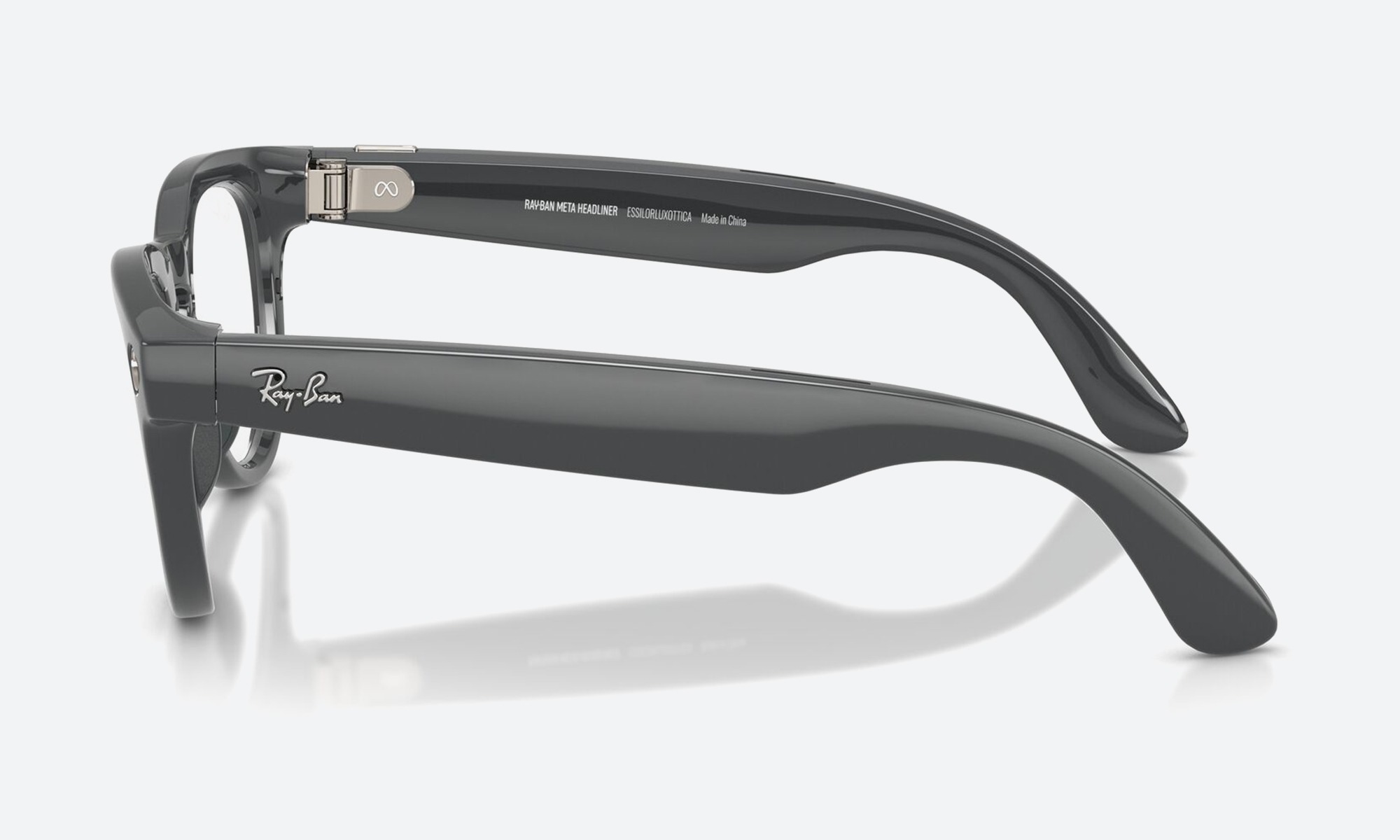
Wayfarer Sunglasses: The Complete Style Guide
Wayfarer sunglasses are one of the few shapes that never really go out of style. The design has barely changed since the 1950s, and it still suits an enormous range of face shapes today. This guide from Lawrence and Mayo covers everything worth knowing before you buy a pair, from history to fit, so you can shop with genuine confidence rather than guesswork.
What You Will Learn
- Where the wayfarer shape comes from, and why it lasted
- Which face shapes suit wayfarer sunglasses best
- What materials and lens options to look for
- How wayfarer sunglasses compare to other classic shapes
- What separates a genuine luxury pair from an ordinary one
A Shape With Real History
The wayfarer shape first appeared in the early 1950s. It broke away from the round metal frames that dominated eyewear at the time. The trapezoidal lens shape and thick plastic frame felt modern and bold. Decades later, that same silhouette still reads as current rather than dated. Cultural moments across film and music helped cement the shape in the public imagination, but the design itself did the real work of staying relevant.
This staying power is rare in fashion. Most shapes cycle in and out of relevance within a few years. Wayfarer sunglasses have instead become a genuine classic, worn across generations without needing a refresh. Few eyewear shapes can claim seven decades of continuous relevance without a significant redesign.
Why the Shape Works So Well
The wayfarer’s trapezoidal lens is wider at the top than the bottom. This shape flatters more face types than almost any other design. It adds structure to softer faces and does not overwhelm more angular ones either. The proportions were deliberately engineered to sit well on a wide range of bone structures, which is a large part of why the shape never became a niche style.
The thick frame also does real work. It holds its shape well over years of wear, and it gives the whole design a confident, grounded look. Thinner frames can feel delicate by comparison. A wayfarer frame rarely looks accidental, since the proportions read as intentional rather than incidental.
Materials Worth Knowing
Most wayfarer sunglasses use acetate for the frame. This is a plant-based plastic that holds colour and pattern better than cheaper alternatives, and it is the material behind most of the luxury sunglasses collection. Pigment runs through the material rather than sitting on the surface, so a good acetate frame can be polished back to life years later. This is one of the clearest ways acetate differs from injection-moulded plastic, which fades and dulls with age rather than aging gracefully.
Some modern wayfarer sunglasses use metal or combination builds instead. These trade some of the classic thickness for a lighter feel. Both approaches are valid, and the right choice depends on how much you value the original bold silhouette against everyday comfort. A combination build, with an acetate front and metal temples, often offers a reasonable middle ground between the two.
Lens Options to Consider
Lens choice affects both comfort and how the frame reads day to day, so it deserves as much thought as the shape itself.
| Lens Type | Best For | Effect |
|---|---|---|
| Grey | Everyday wear, bright sun | Neutral colour, dims brightness evenly |
| Green | Long days outdoors | Preserves colour accuracy, eases strain |
| Brown | Overcast light, driving | Adds contrast and warmth |
| Polarised | Driving, water, snow | Cuts glare from flat reflective surfaces |
Whatever lens you choose, confirm the pair carries full UV protection. According to the American Academy of Ophthalmology, sunglasses should block 99 to 100 percent of UV light regardless of tint or price. A dark lens with no UV filter can be worse for your eyes than wearing nothing at all.
Wayfarer Sunglasses Versus Other Classic Shapes
| Shape | Character | Best Suited To |
|---|---|---|
| Wayfarer | Bold, structured, trapezoidal lens | Round or oval faces |
| Aviator | Light, teardrop-shaped, metal frame | Almost every face shape |
| Round | Soft, retro, circular lens | Square or angular faces |
| Cat-Eye | Upswept, feminine silhouette | Round or square faces |
Wayfarer sunglasses sit apart from the others through sheer structure. Where an aviator feels light and a round frame feels soft, a wayfarer holds a confident, geometric presence that reads as more deliberate. This structural quality is precisely why the shape reads as timeless rather than trend-driven, since it was never chasing a passing look in the first place.
What Makes a Luxury Pair Different
A luxury wayfarer pair earns its price through construction, not branding alone. Look for hinges that move smoothly and hold their position, lenses free of distortion at the edges, and acetate polished over days rather than minutes. Compare construction quality across the sunglasses category rather than relying on brand name alone. These details are felt over years of wear, not seen in a single glance. A cheaper pair might look nearly identical in a photograph, but the difference shows up the first time a hinge loosens or a lens edge distorts your vision slightly.
Fit Checks Before You Buy
Fit decides whether a pair actually gets worn. The frame should sit level with the widest part of your face, without pinching at the temples. The lower rim should clear your cheek when you smile. Weight matters too. Wear the pair for a few minutes before deciding, since discomfort at the bridge only worsens over a full day. A frame that feels fine for thirty seconds in a mirror can feel very different after an hour of actual wear, which is exactly why a proper in-person fitting matters more than a quick glance.
Explore the full wayfarer selection and try a few shapes side by side to see how the classic silhouette suits you.
The Verdict
Wayfarer sunglasses remain one of the safest, most versatile choices in eyewear, whether you are buying your first pair or your fifth. The shape suits nearly every face, the construction rewards attention to material and fit, and the design has already proven it will not date. Few purchases offer this much certainty about how a piece will look and feel years from now. Visit the Lawrence and Mayo Boutique to try the current collection in person.
Frequently Asked Questions
- Where did wayfarer sunglasses originate?
The shape first appeared in the early 1950s, breaking away from the round metal frames common at the time. - What face shapes suit wayfarer sunglasses best?
Round and oval faces benefit most, since the trapezoidal lens adds structure that softer face shapes lack. - Are wayfarer sunglasses still in style?
Yes. The shape has remained consistently relevant for decades rather than cycling in and out of fashion. - What material are most wayfarer sunglasses made from?
Acetate, a plant-based plastic that holds colour and pattern better than cheaper alternatives. - What lens tint works best for everyday wear?
Grey is the most neutral option, dimming brightness evenly without shifting how colours appear. - Do wayfarer sunglasses suit square faces?
They can, though round and oval faces generally see the most flattering contrast from the shape. - What is the difference between wayfarer and aviator sunglasses?
Wayfarers have a bold, structured trapezoidal lens, while aviators are lighter with a teardrop metal frame. - How can I tell if a wayfarer pair is genuinely luxury quality?
Check hinge smoothness, lens clarity at the edges, and acetate finish, since these reflect real construction quality. - Should I choose polarised lenses for wayfarer sunglasses?
Polarised lenses help significantly if you drive often or spend time near water, since they cut reflective glare. - How should wayfarer sunglasses fit?
Level with the widest part of your face, without pinching, and with the lower rim clearing your cheek when you smile. - Can wayfarer sunglasses work for a formal setting?
Yes. Their structured, classic silhouette reads as considered rather than casual, making them versatile across settings. - Do wayfarer sunglasses come in metal frames?
Some modern versions use metal or combination builds, trading some classic thickness for a lighter feel. - Why does UV protection matter more than lens darkness?
Darkness and UV filtering are unrelated. A dark lens without a filter can admit more UV than wearing nothing at all. - How long do quality wayfarer sunglasses typically last?
With proper care, a well-made pair can last many years, and acetate frames can even be polished back to life. - Where can I buy genuine luxury wayfarer sunglasses in India?
At the Lawrence and Mayo Boutique, where every pair is authorised, genuine, and fitted by trained staff.
Leave a Reply