
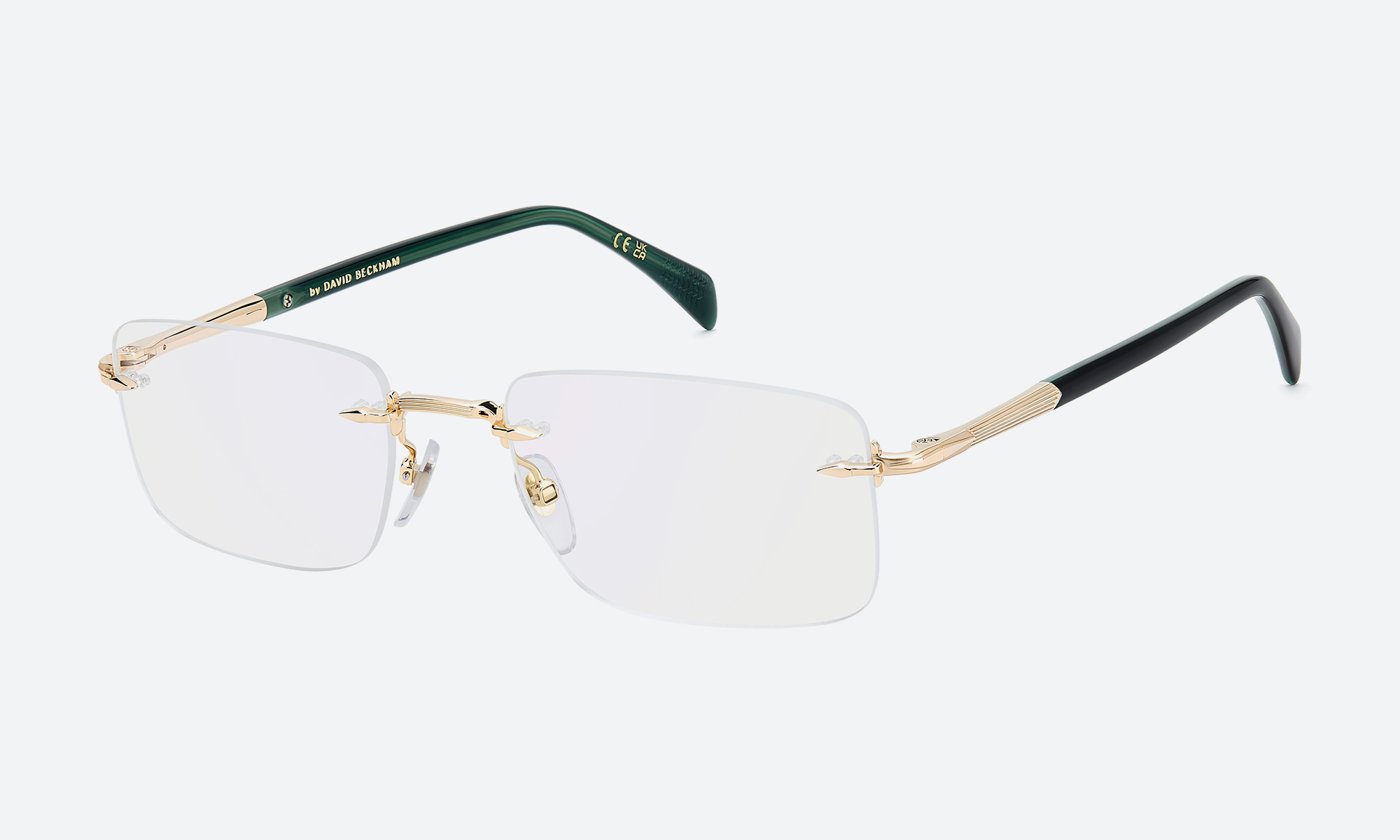
Rimless Glasses and Round Frames: 7 Things to Know
Rimless glasses have quietly become one of the most requested styles at Lawrence and Mayo, and round frames have never really gone out of style. This guide covers both, since they are often considered together by buyers weighing subtlety against character. Understanding what separates them helps you choose with confidence rather than guesswork.
What You Will Learn
- What genuinely makes rimless glasses different from other constructions
- Why round frames suit certain faces better than others
- How rimless and semi-rimless compare on durability
- The face shapes each style flatters most
- What to check for fit and construction quality
What Makes Rimless Glasses Different
According to the American Academy of Ophthalmology, the rims are one of the nine essential parts of a typical pair of eyeglasses. They hold the lenses in place and give the frame its visible shape. Rimless glasses remove this element entirely, attaching the lenses directly to the bridge and temples using small drilled mounts instead. Nothing else about the eye’s view through the lens changes, only how much frame surrounds it.
This construction is precisely why rimless glasses read as so understated. There is genuinely less frame to see. This lets the lenses and your own face lead rather than the eyewear itself, a quality many buyers actively seek out once they understand it.
Why Round Frames Have Never Really Left
Round frames trace back through decades of eyewear history, and the shape keeps returning rather than fading permanently. A circular lens softens angular features in a way few other shapes manage, which explains much of its lasting appeal across so many different eras of fashion.
Rimless vs Semi-Rimless vs Full-Rim
Understanding the three main construction types clarifies which one suits your priorities before you even consider shape at all.
| Construction | What It Is | Best For |
|---|---|---|
| Rimless | No frame around the lens, drilled mounts | Maximum subtlety, minimal visual weight |
| Semi-rimless | Partial rim, often just the top | A balance of structure and lightness |
| Full-rim | Complete frame around the lens | Durability, bolder styling options |
Durability Considerations for Rimless Glasses
Rimless construction places more stress directly on the lens itself, since there is no surrounding frame to absorb pressure. High-quality lens materials and precise drilling matter considerably more here than in a full-rim equivalent. This is worth knowing before choosing this style purely for its look, rather than understanding what it asks of the lens.
Round Frames by Face Shape
Round frames flatter square and angular faces particularly well, since the curve softens a strong jawline. Oval faces also suit round frames comfortably, though the effect is less corrective and more simply harmonious. Round faces generally suit round frames least, since the shape can repeat rather than balance existing proportions. This is an easy detail to overlook when a shape simply looks appealing in isolation.
| Face Shape | Round Frame Fit | Why |
|---|---|---|
| Square | Excellent | Softens strong, angular jawlines |
| Oval | Good | Naturally balanced, no strong correction needed |
| Heart | Good | Balances a narrower chin nicely |
| Round | Fair | Can repeat rather than balance the face’s natural curve |
Choosing Between Rimless and Round for Your Face
These two categories are not mutually exclusive. A round lens shape can be built in a rimless, semi-rimless, or full-rim construction, so choosing between them is really two separate decisions rather than one, and it helps to treat them as such rather than searching for a single answer.
What to Check Before You Buy
Confirm the lens material suits rimless construction specifically, since not every lens type drills or mounts equally well. Check that hinges feel secure rather than loose, and that nose pads sit comfortably without pinching. A proper fitting matters more here than almost any other style, given how much structural support depends on precise construction rather than a surrounding frame.
Caring for Rimless Glasses
Rimless glasses require a gentler touch during cleaning and handling, since there is no surrounding frame to protect the lens edges from pressure. Two-handed removal and storage in a hard case both matter more here than with a full-rim pair. A single careless removal can put uneven pressure directly on an unsupported lens edge.
Explore the luxury frames collection to compare rimless, semi-rimless, and round options directly.
Styling Rimless and Round Frames for Different Occasions
Rimless glasses suit professional and formal settings particularly well, since their understated construction rarely competes with the rest of an outfit. Round frames, especially in a bolder acetate or metal finish from the frames collection, work equally well in casual and creative settings, where a bit more character is welcome. Combining the two, a round lens in a rimless or semi-rimless build, offers a middle ground worth trying if you want subtlety with a hint of shape.
Rimless Glasses and Progressive Lenses
Progressive and varifocal lenses require enough vertical depth in the frame to accommodate the full corridor of the lens. Rimless construction can work well with progressives, provided the lens height and mounting are planned correctly at the fitting stage. This is a detail worth raising directly with your optometrist rather than assuming it will work itself out.
The Verdict
Rimless glasses and round frames both reward a bit of extra attention at the fitting stage, but the payoff is a genuinely considered look that suits daily wear well. Neither style demands a dramatic wardrobe adjustment, which is part of why both have earned such lasting popularity. Explore the full range of frames to try both constructions side by side. Visit the Lawrence and Mayo Boutique to find the pair that suits your face and routine.
Frequently Asked Questions
- What makes rimless glasses different from regular frames?
Rimless glasses remove the rim entirely, attaching lenses directly to the bridge and temples using small drilled mounts. - Are rimless glasses less durable than full-rim frames?
Generally yes, somewhat, since the lens itself absorbs more stress without a surrounding frame to protect it. - Which face shapes suit round frames best?
Square and angular faces suit round frames particularly well, since the curve softens a strong jawline effectively. - Do round faces suit round frames?
Less so, generally, since the shape can repeat the face’s natural curve rather than adding helpful contrast. - What is the difference between rimless and semi-rimless glasses?
Rimless has no frame around the lens at all, while semi-rimless keeps a partial rim, often just along the top. - Can round lenses be built in a full-rim construction?
Yes. Round is a lens shape, which can be paired with rimless, semi-rimless, or full-rim frame construction. - Why does fitting matter more for rimless glasses?
Structural support depends heavily on precise drilling and mounting, so a proper fitting reduces the risk of issues. - How should I clean rimless glasses safely?
Handle with two hands, avoid pressure on the lens edges, and store in a hard case between wears. - Are rimless glasses suitable for a strong prescription?
It depends on lens thickness and material, so this is worth discussing directly with your optometrist beforehand. - Do rimless glasses suit a professional setting?
Yes, generally very well, since their understated construction reads as considered rather than casual. - What lens materials work best for rimless construction?
Materials that drill cleanly without cracking are essential, which your optometrist can confirm during fitting. - Is round a trending shape or a timeless classic?
Both. Round has cycled in and out of trend repeatedly while never fully disappearing from eyewear entirely. - Can rimless glasses be adjusted after purchase?
Yes, though adjustments should be made by a professional, given how precisely the components are drilled and fitted. - Do rimless glasses cost more than full-rim frames?
Often somewhat more, reflecting the additional precision required in construction and lens preparation. - Where can I buy genuine rimless glasses and round frames in India?
At the Lawrence and Mayo Boutique, where every pair is properly fitted by a certified optometrist.
Leave a Reply