
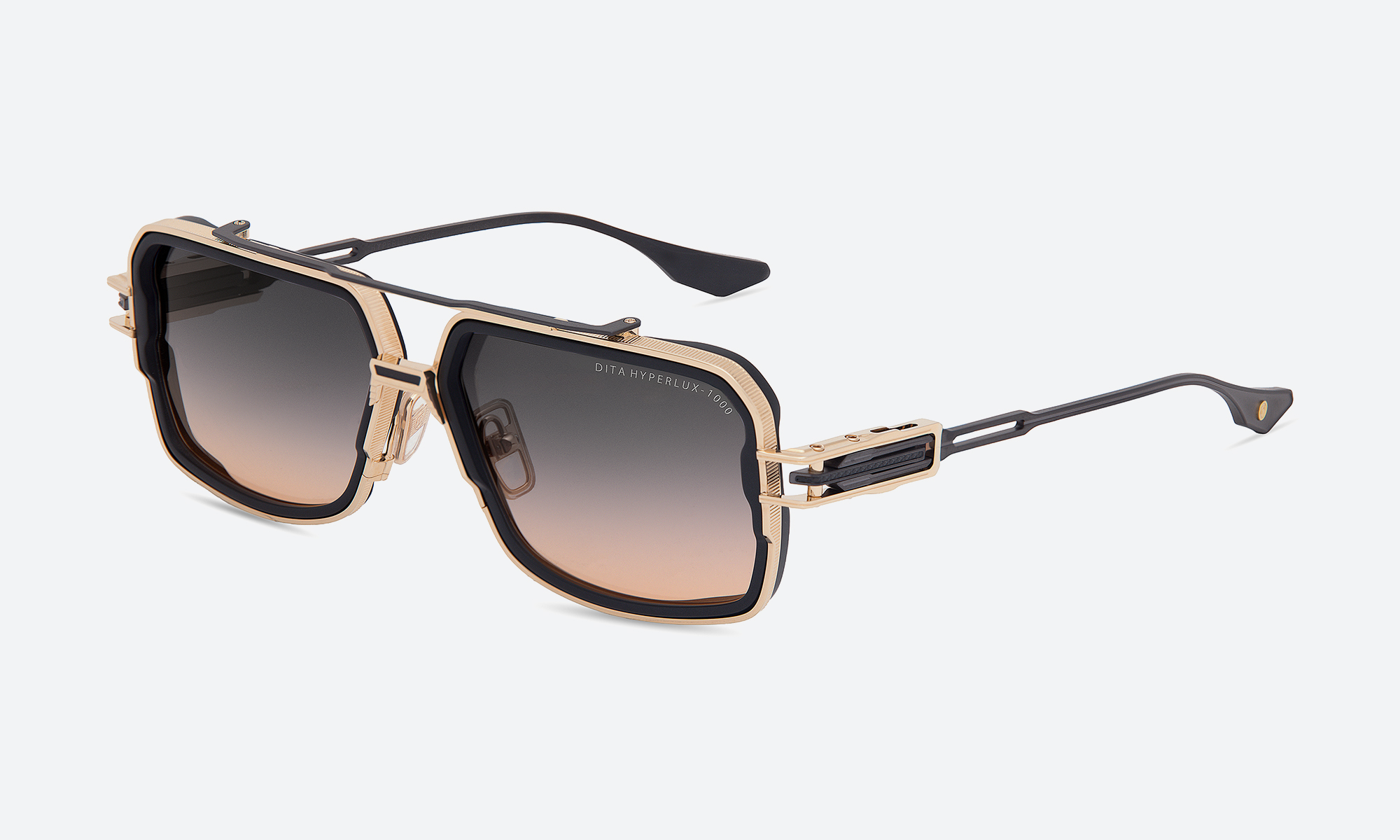
Best Polarized Sunglasses for Driving
Polarized sunglasses for driving solve a problem non-polarized lenses simply cannot. At Lawrence and Mayo, road glare from a wet surface, a bonnet, or an oncoming windscreen is exactly the kind of horizontal glare polarization is built to cut. This guide covers what actually matters when choosing a pair for time behind the wheel, from tint to fit to a genuine safety caution worth knowing.
Why Driving Specifically Benefits From Polarization
Roads reflect light differently than most surfaces you encounter daily. Wet tarmac, glass, and painted metal all reflect glare in concentrated horizontal waves. According to the American Academy of Ophthalmology, polarized lenses filter exactly this kind of light, which is why the benefit for driving feels so immediate compared to general daily wear. Many drivers notice the difference within the first few minutes of wearing a genuinely polarized pair.
Non-polarized sunglasses simply dim this glare along with everything else. Polarized sunglasses for driving remove the glare specifically, leaving the rest of your vision clear and unaffected, which is precisely the distinction that makes the difference feel so pronounced on the road.
The Best Lens Tints for Driving
Brown and amber tints are widely favoured for driving, since they boost contrast and help edges appear sharper against the road. Grey remains a reliable, neutral choice too, dimming brightness evenly without shifting how colours appear. Both tints work well when paired with polarization specifically, and the choice between them often comes down to personal preference rather than one being objectively superior.
| Tint | Effect for Driving | Best Conditions |
|---|---|---|
| Brown or amber | Increases contrast, sharper edges | Overcast or hazy daylight driving |
| Grey | Neutral, even brightness reduction | Bright, direct sunlight |
| Green | Balanced contrast and colour accuracy | Long drives, varied light |
A Genuine Caution for Night Driving
Polarized sunglasses for driving are not meant for after dark. The Academy specifically warns that polarized night driving glasses may do more harm than good, since polarization can make it harder to spot icy or reflective road patches. A clear, non-tinted lens remains the safer choice once the sun goes down, regardless of how much a tinted pair might promise to reduce glare from oncoming headlights.
Frame Coverage Matters More Than People Expect
A frame with enough lens coverage blocks stray light entering from the sides, not just from directly ahead. Larger lenses and styles from the luxury sunglasses collection that sit closer to the face reduce this peripheral glare considerably, which matters over a long drive where consistent comfort counts more than a single glance in the mirror.
Dashboard and Screen Compatibility
Modern dashboards increasingly rely on digital displays. Polarized lenses can occasionally interact oddly with these screens, making them appear to darken or shift at certain angles. This is worth testing with your specific vehicle before committing to a pair. It matters most if your dashboard is almost entirely digital, since the interaction varies by screen technology.
Fit Still Decides Everything
Even the best polarized lens underperforms in a frame that slides down your nose or pinches at the temples during a long drive. The frame should sit level at the widest part of your face, with the lower rim clearing your cheek when you smile. A proper fitting matters as much for driving comfort as the lens technology itself, since constant small adjustments while driving are both distracting and genuinely unsafe.
Choosing the Right Pair for Your Commute
Think honestly about your actual driving pattern. Frequent long drives justify investing properly in both lens quality and frame comfort. Occasional short trips may not need the same level of investment. The safety benefit remains genuine either way. If your commute includes both city traffic and highway stretches, prioritise coverage and fit over a specific tint. Comfort over a long drive matters more than a marginal difference in colour rendering. Explore the luxury sunglasses collection to compare polarized options suited to regular driving.
The Verdict
Polarized sunglasses for driving are one of the clearest, most practical upgrades available for anyone who spends real time behind the wheel. Choose brown or grey polarized lenses. Confirm proper coverage and fit. Remember that polarization is strictly a daytime driving tool. The investment pays off in reduced eye strain on every single drive, not just the occasional bright one. Visit the Lawrence and Mayo Boutique to find the right pair for your commute.
Frequently Asked Questions
- Why are polarized sunglasses for driving better than non-polarized ones?
They filter horizontal road glare specifically, from wet tarmac, bonnets, and windscreens, rather than simply dimming everything evenly. - What is the best lens tint for driving?
Brown or amber for added contrast, or grey for a neutral, even reduction in brightness, both work well for driving. - Are polarized sunglasses safe to wear while driving at night?
No. Polarization can make it harder to spot icy or reflective road patches, so a clear lens is safer after dark. - Does frame shape matter for driving sunglasses?
Yes. Larger lenses and closer-fitting styles reduce stray light entering from the sides during a long drive. - Can polarized sunglasses interfere with my car’s dashboard?
Occasionally. Some digital displays can appear to darken or shift at certain angles through polarized lenses. - Do I need polarized sunglasses if I only drive occasionally?
The benefit is still genuine, though frequent drivers see the clearest return on investing in a quality pair. - What should I check for fit in driving sunglasses?
The frame should sit level at the widest part of your face, with the lower rim clearing your cheek when you smile. - Is green a good lens tint for driving?
Yes. Green offers a balanced mix of contrast and colour accuracy, suiting long drives in varied light conditions. - Do polarized sunglasses for driving also need UV protection?
Yes. Polarization and UV filtering are separate properties, so confirm both independently before buying. - Where can I buy genuine polarized driving sunglasses in India?
At the Lawrence and Mayo Boutique, where every pair is authorised, genuine, and fitted by certified staff.
Leave a Reply