
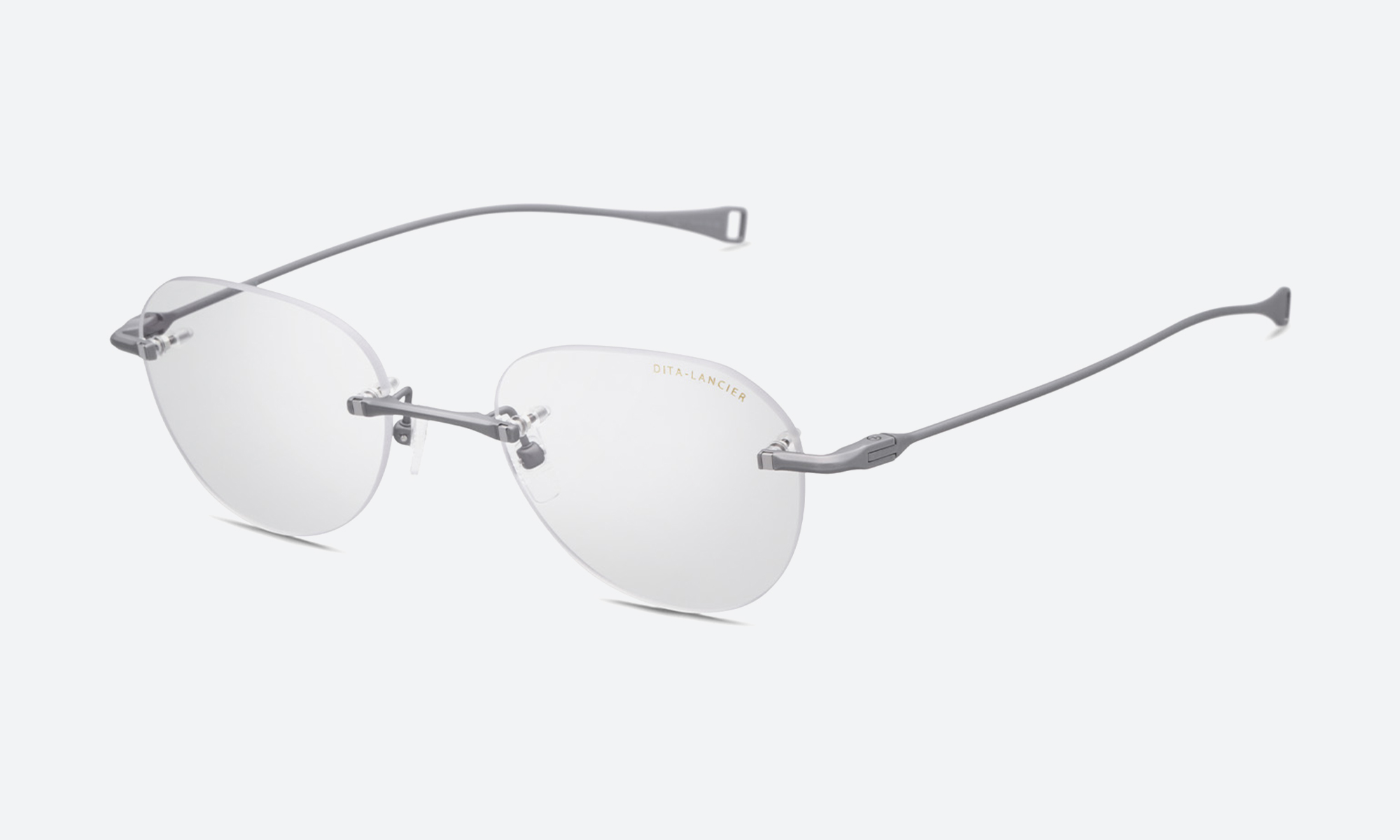
How to Choose Rimless Glasses: 6 Things to Check
How to choose rimless glasses comes down to a handful of specific checks, not guesswork based on appearance alone. At Lawrence and Mayo, this guide covers exactly what to confirm before committing to this understated, precise style of eyewear.
Why Rimless Glasses Need a Careful Buying Process
How to choose rimless glasses matters more than for most frame styles, since the construction itself asks more of the lens, the fitting, and your own handling habits. According to the American Academy of Ophthalmology, the rims are one of the nine essential parts of typical eyeglasses, and rimless construction removes that part entirely, shifting the structural work elsewhere. Knowing exactly where that shift happens is what makes the checks below worth taking seriously.
Check One: Lens Material Compatibility
Not every lens material drills or mounts cleanly for rimless construction. Confirm with your optometrist that your chosen lens material is genuinely suited to this style before finalising your prescription order, since this single check prevents most of the issues buyers run into afterward.
| What to Check | Why It Matters |
|---|---|
| Lens material | Some materials drill and mount more reliably than others |
| Hinge security | Loose hinges undermine the whole structure over time |
| Nose pad comfort | Rimless frames rely heavily on precise nose pad fit |
| Prescription strength | Thicker lenses may need extra consideration for rimless mounting |
| Retailer authorisation | Genuine warranty and proper fitting depend on this |
Check Two: Hinge and Mount Security
Since rimless glasses lack a surrounding frame, the hinges and drilled mounts carry more structural responsibility than usual. Test that hinges feel secure and resist wobbling before deciding a pair is right for you, and do not hesitate to ask staff to check this directly if you are uncertain.
Check Three: Nose Pad Fit
Nose pads matter more in rimless construction, since they contribute significantly to overall stability without a supporting frame around the lens. A properly fitted nose pad prevents slipping and reduces pressure points during long days of wear, which becomes noticeable within the first few hours if it is even slightly off.
Check Four: Prescription Strength Suitability
Stronger prescriptions create thicker lens edges, which can complicate rimless mounting depending on the specific design. Discuss your prescription directly with your optometrist to confirm rimless construction will work well for your specific lenses, rather than assuming it will suit any prescription equally.
Check Five: Face Shape and Proportion
How to choose rimless glasses that flatter your face involves checking proportion as much as construction. A frame that is too large or small undermines the subtle, understated look rimless glasses are meant to deliver, regardless of how well every other check has been satisfied.
Check Six: Buying From an Authorised Retailer
Genuine warranty coverage and proper fitting both depend on buying from an authorised source. This matters particularly for rimless glasses, given how much the fit depends on precise, professional construction from the very start. Browse the frames collection to see this level of construction as standard.
Trying Before You Commit
Photos and descriptions only tell part of the story. Trying a pair on in person, under proper lighting, remains the most reliable way to confirm rimless glasses genuinely suit your face and daily routine, since fit and proportion are notoriously hard to judge from an image alone.
Budgeting for Rimless Glasses
Rimless construction often costs somewhat more than an equivalent full-rim pair, reflecting the additional precision required. Factor this into your budget from the start rather than being caught off guard partway through the buying process, since the price difference is a reflection of genuine extra work rather than markup alone.
Explore the luxury frames collection to see rimless options that meet every one of these checks as standard.
The Verdict
How to choose rimless glasses well comes down to six checks: lens material, hinge security, nose pad fit, prescription suitability, proportion, and retailer authorisation. Working through each one in order removes most of the guesswork from the decision entirely. Explore Lawrence and Mayo or visit the Boutique in person to work through each of these with a certified optometrist.
Frequently Asked Questions
- How do you choose rimless glasses that will actually last?
Confirm lens material compatibility, hinge security, and buy from an authorised retailer for proper construction. - Do rimless glasses work with every lens material?
No. Some lens materials drill and mount more reliably than others, so this is worth confirming beforehand. - Why do nose pads matter more for rimless glasses?
They contribute significantly to overall stability, since there is no surrounding frame to help hold the fit. - Can rimless glasses work with a strong prescription?
Often yes, though thicker lens edges may need extra consideration, worth discussing directly with your optometrist. - How do I know if rimless glasses fit my face proportionally?
Trying a pair on in person, under proper lighting, remains the most reliable way to confirm proportion and fit. - Are rimless glasses more expensive than full-rim frames?
Often somewhat, reflecting the additional precision required in drilling and mounting the lenses correctly. - What should I ask my optometrist before choosing rimless glasses?
Ask about lens material suitability and whether your specific prescription works well with rimless mounting. - Why does hinge quality matter so much for rimless glasses?
Hinges carry more structural responsibility without a surrounding frame, so security and durability matter more. - Is it safe to buy rimless glasses without trying them on first?
Not ideally. Fit and proportion are difficult to judge from photos alone, so trying them on is strongly recommended. - Where can I buy genuine rimless glasses fitted correctly?
At the Lawrence and Mayo Boutique, where every pair is properly fitted by a certified optometrist.
Leave a Reply