
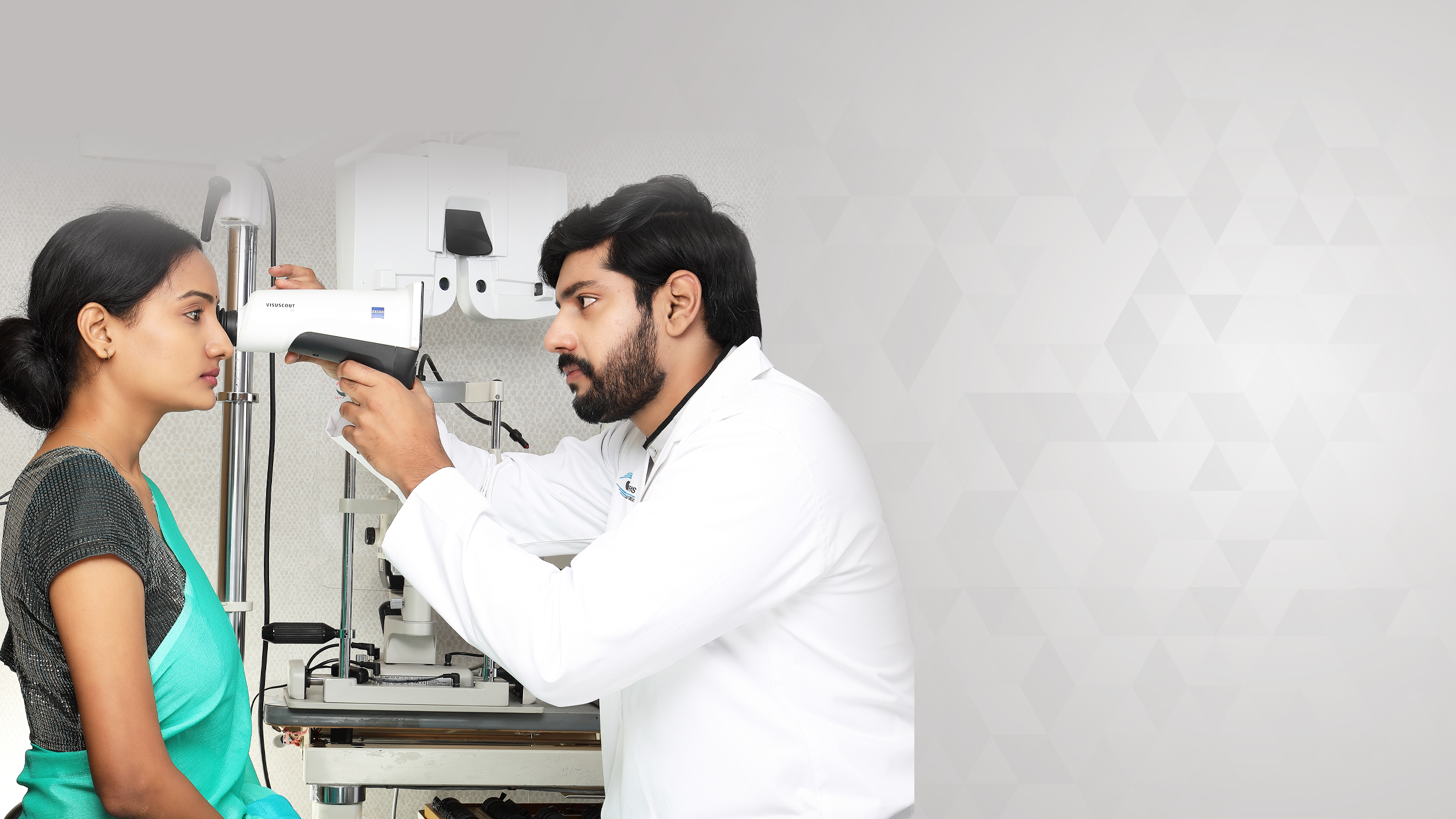
What Is an Enhanced Precision Eye Test? A Clear Guide
Many customers ask us what an enhanced precision eye test involves and how it differs from a quick check. This guide from the Lawrence & Mayo luxury eyewear boutique explains what a careful eye test covers, who needs one and how to prepare. It also tells you what to ask when you book, so your visit is useful.
What You Will Learn
- What an enhanced precision eye test covers
- How to prepare and what to ask
- Who benefits most, and who may need a doctor first
- How to book a test with our team
Enhanced Precision Eye Test: What a Careful Check Covers
At Lawrence & Mayo, the enhanced precision eye test is our name for the eye test our trained optometrists carry out before lenses are chosen. The aim is an accurate prescription that fits how you live. According to ABDO’s guide to the eye test, a thorough test looks at your medical history, the health of the inside and outside of the eyes including the retina, and your vision using a chart and test lenses at distance and near. It also checks how well the eyes work together and your field of vision, and eye pressure is checked from age 40.
ABDO adds that dilating drops are occasionally needed for a better view inside the eye. That is why a good test is more than reading letters off a wall. An enhanced precision eye test should leave you with a clear view of both your vision and your eye health.
| Check | What it tells the optometrist |
|---|---|
| History and symptoms | Medicines, family eye issues, headaches or focusing problems |
| Eye health | Signs of disease in and around the eye |
| Vision at distance and near | The lens power you need |
| Eye teamwork | How well both eyes work together |
| Field of vision | How well you see at the centre and edges |
The exact steps depend on your needs and the equipment at the boutique, so confirm your visit with our team when you book.
Equipment matters, but the person using it matters more. A careful optometrist asks questions, repeats a measurement if a result looks odd and explains what they find in plain language. If you leave a test unsure about your results, ask again. A good practice will always make time to explain.
How to Prepare for Your Visit
- Bring your glasses: including any you use for reading or screens.
- Bring old prescriptions: they show how your eyes have changed.
- Note your symptoms: headaches, blur, glare or tired eyes at the end of the day.
- List your routine: long screen hours, night driving or reading in dim light.
The more you tell the optometrist about your day, the better the prescription can be tuned to it. If you drive at night, say so. If you work at two screens, mention the distances. These details shape the lens design as much as the numbers do.
You do not need to prepare for the test itself. Eat and drink normally, and wear your usual glasses or contact lenses to the visit unless you are told otherwise. If you wear contact lenses, bring the case and the lens details.
Who Benefits Most, and Who May Need a Doctor First
Anyone who has not had a full test in the last year or two benefits, as do people who notice headaches, blurred vision or tired eyes. Parents of children who squint or sit close to screens may also want a check. People with sudden vision loss, eye pain, flashes of light or new floaters should see an eye doctor urgently and not wait for a routine appointment.
A test is also useful before you buy new frames. A current prescription lets you choose lenses with confidence, and our prescription lenses range can then be matched to your needs. You may also compare options in our eyewear shop once you know your numbers.
It is worth saying that an eye test is not a substitute for medical care. If your optometrist finds something that needs attention, they will refer you to the right specialist.
It helps to keep a short record after each test. Write down the date, the prescription and any advice about the next visit. That record makes it easier to notice change over time and to compare options when you buy lenses.
If you are nervous about the test, say so at the start. Optometrists see people of every age and every level of anxiety, and a calm explanation of each step usually helps. Children often do better when they are told what will happen before they arrive.
What Most People Overlook
We have found that many people book frames first and the test last, then find the lenses do not suit their routine. Customers most often ask us whether the test hurts, and it does not. Remember that you can ask questions at every step, so do not hesitate to ask for a plain explanation of your results.
If you have time, ask for a written copy of your prescription. It is yours to keep, and it makes comparing quotes from different sellers easy.
How We Help You Choose the Right Pair
[‘Message our team on WhatsApp to ask about an Enhanced Precision Eye Test at your nearest boutique, and we will confirm availability. After the test, our team can show frames from our luxury eyewear frames collection that suit your prescription. Our Personal Showcase Service brings up to 80 frames to your home or office, and our Enhanced Precision Eye Test confirms your prescription before you choose lenses. Availability varies by boutique, so ask our team before you travel.’]
Verdict
An enhanced precision eye test gives you an accurate prescription and a clear picture of your eye health, which makes every later choice easier. Prepare a few notes, bring your old glasses and ask questions during the visit. To book, speak to the team at the Lawrence & Mayo luxury eyewear boutique.
FAQ
What is an enhanced precision eye test?
An enhanced precision eye test is the eye test our optometrists carry out at Lawrence & Mayo to measure your vision accurately before lenses are chosen. Ask our team what your visit will include, as the exact steps depend on your needs.
What is checked during a standard eye test?
Typically your history, eye health, vision, how your eyes work together and your field of vision. Eye pressure is usually checked from age 40.
How long does an eye test take?
It varies with the checks needed, so allow some extra time. Ask when you book.
Do I need an appointment?
An appointment is the safest way to avoid waiting and to make sure an optometrist has time for a full check. Walk-ins depend on the day.
What should I bring to the test?
Bring your current glasses, any old prescription and a list of medicines you take. Tell the optometrist about headaches or blurred vision.
Will my eyes be dilated?
Occasionally. Drops that widen the pupils give a better view inside the eye and may call for a second visit.
Can I drive after an eye test?
If you have had dilating drops, vision may be blurred for a while and driving may not be safe. Ask before you book.
Is an eye test only for people who wear glasses?
No. It also checks eye health, so people with clear vision can benefit too.
What is the difference between a sight test and a screening?
A full test checks vision and eye health in detail. A quick screening may only check clarity of vision.
Can an eye test find other health problems?
It can show signs of some conditions in the eye. Your optometrist will refer you to a doctor if needed.
Do children need an eye test?
Yes, children can have eye problems without saying so. Tests help catch them early.
What do the numbers on my prescription mean?
They describe the lens power needed to correct your vision. Ask your optometrist to explain each figure.
How is a precise prescription different from an online test?
A trained optometrist checks eye health as well as vision, which an online app cannot. Measurements are also taken in person.
Can I book an Enhanced Precision Eye Test before choosing frames at Lawrence & Mayo?
Yes. Many customers book the test first so that frames and lenses are chosen from an up-to-date prescription. Ask our team about availability at your nearest boutique.
How do I book an Enhanced Precision Eye Test at Lawrence & Mayo?
Message our team on WhatsApp at https://wa.me/9154071877 or visit a boutique. We will confirm the location, time and what to bring.
Leave a Reply